
Colchester sits where Malletts Bay, the Winooski River corridor, and a broad band of suburban growth meet. From older lakefront cottages along Blakely Road to newer homes near Severance Corners, properties here differ widely in lot size, tree age, and access. Mature sugar maples, white oaks, and white pines are common across the town, and the tree removal professionals in Burlington are familiar with handling canopy overhang, storm-damaged waterfront trees, and the tight driveways found in older neighborhoods.
Those conditions are a big reason Colchester homeowners turn to tree trimming services with confidence.
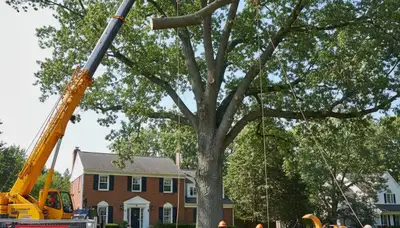

Prefer to Talk to An Expert?
(802) 232-4118
Why Local Expertise Matters for Your Colchester Property
Colchester’s waterfront exposure, aging hardwood canopy, and compact residential layouts call for local knowledge. Tree care teams that work in this area use tools and methods chosen for restricted access, wind-stressed limbs, and the clay-rich soils common around Burlington.
From repairing storm-split sugar maples on Porters Point Road to managing oversized white pines near the Colchester Pond Natural Area, every job calls for accuracy and attention to long-term tree health.
Protect your property and reduce stress over what comes next. Local specialists can help keep your landscape stable, tidy, and safe year after year.
Our Tree-Removal Services in Burlington, VT, Include
Tailored Tree Services for Colchester's Unique Properties
Because the area includes both mature trees and difficult access points, a one-size-fits-all approach rarely works here. Local crews build each plan around the property layout, tree condition, and site challenges they encounter throughout Colchester.
Whether you own a lakefront cottage in Malletts Bay, a newer colonial near Severance Road, or a larger lot close to the Colchester Bog Natural Area, the right service plan should fit both the trees and the land.
Services such as professional tree trimming, expert tree pruning, reliable stump removal, and quality landscaping should be adjusted to match your property’s needs and the character of the neighborhood.
The History of Colchester and Its Impact on Tree Care Today
Colchester has grown from a rural farming town into one of Chittenden County’s most populated communities. That growth accelerated in the mid-1900s and has continued ever since. The result is a landscape shaped by older infrastructure, mature plantings, and decades of weather exposure from Lake Champlain. Those factors still affect tree care today through aging root systems, storm damage, and dense residential plantings competing for light and space.
Aging Hardwood Canopy and Structural Decline
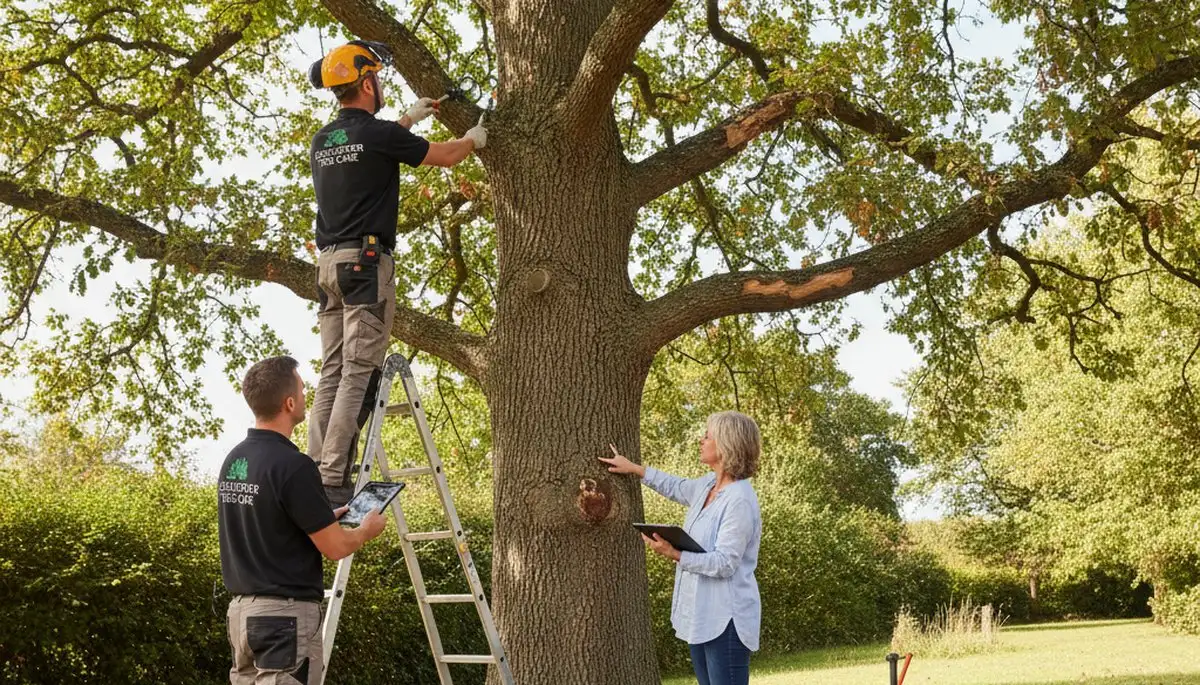
In many parts of Colchester, especially around the Malletts Bay shoreline and older areas near Depot Road, property owners manage mature sugar maples and oaks that have developed co-dominant stems, included bark, and heavy deadwood over time. These conditions can lead to sudden limb failure during wind events and raise the chance of crown collapse, creating hazards for homes, fences, and utility lines below.
Local tree service professionals address these concerns with crown reduction, deadwood removal, and structural pruning designed to reduce repeat problems and support healthier growth.
Lakefront Wind Exposure and Salt Air Stress
Colchester’s location along Malletts Bay and the Lake Champlain shoreline offers strong views and easy access to recreation, but it also means trees face constant wind loading and moisture stress. If the damage goes untreated, exposed limbs can decline faster, and crowns may thin out over time as decay spreads.
Experienced crews handle these conditions with selective weight reduction, crown thinning to improve wind response, and the removal of weakened wood. These methods are well suited to waterfront properties in Colchester.
Invasive Pest Pressure and Disease Spread
Years of dense planting in Colchester’s residential corridors have left many maples, ash trees, and ornamentals more exposed to emerald ash borer, tar spot fungus, and verticillium wilt. Limited airflow and reduced sunlight can make these issues worse.
Trusted professionals improve tree health through selective thinning, removal of infected branches, and strategic replanting with more resilient species, helping protect the landscape and long-term property value.
Winter Storm Damage and Ice Load Accumulation
The Burlington area’s climate brings freeze-thaw cycles and lake-effect moisture that often lead to ice buildup and broken limbs during winter. For Colchester property owners, that can create both safety concerns and access problems.
Crews reduce risk by completing structural pruning before winter, installing cable bracing for multi-stem trees, reducing heavy canopy weight, and providing emergency cleanup after storms to restore safe access.
Tight Lot Access and Equipment Constraints
Older sections of Colchester often include narrow driveways, fenced yards, and homes set close together. That makes equipment placement more difficult and requires careful planning before any major tree work begins.
Compact lift equipment and hand-climbing methods allow crews to complete precise canopy work while protecting nearby landscaping and minimizing disruption to neighboring properties.
Ready to improve your Colchester property? Call (802) 232-4118 today to schedule a free, no-obligation consultation with a local expert.
Dependable care for every property. Count on Chop Chop Tree for practical solutions.

Begin Your Tree Removal Project Today!
(802) 232-4118Comprehensive Tree Trimming Services for Colchester, VT
Year-round service from local professionals helps keep your property safe, strong, and well maintained. Explore the options below to find the right fit.
Regular Tree Trimming Services in Colchester, VT
- Canopy clearance along Porters Point Road: Routine trimming keeps limbs away from roofs and utility lines on lots with mature lakefront trees.
- Crown shaping for subdivision maples near Severance Corners: Regular trimming helps younger trees keep a healthy form in newer residential areas.
- Limb clearance above driveways on Blakely Road: Seasonal trimming prevents low branches from blocking vehicle access around established hardwoods.
- Ornamental tree shaping near Colchester village center: Routine pruning preserves the look of flowering and decorative trees in older neighborhoods. Homeowners seeking similar tree trimming services in Milton, VT can find comparable support across the region.
- Boundary line trimming near Malletts Bay: Regular work along property edges helps avoid encroachment issues and keeps waterfront views open.
Plan routine trimming before spring growth starts or after fall leaf drop to keep your landscape tidy and your trees structurally sound.
Intensive Tree Pruning Services in Colchester, VT
- Structural pruning for co-dominant stem maples: Detailed pruning corrects weak branch unions before they turn into failure points on mature hardwoods.
- Crown reduction for wind-loaded lakefront trees: Intensive pruning lowers sail effect on exposed trees along Malletts Bay and helps reduce storm damage risk.
- Deadwood removal from aging white oaks: Thorough pruning removes dead and decaying limbs, cutting down on pest habitat and improving canopy health. Those looking for expert tree pruning often rely on this service to care for older trees.
- Elevation pruning for clearance above structures: Raising the lower canopy improves light and clears hazard limbs above sheds, garages, and fencing.
- Disease management pruning for ash and maple: Targeted branch removal helps slow the spread of fungal disease and pest activity in densely planted neighborhoods.
Pruning during dormancy encourages stronger regrowth and lowers the chance of disease spread during the active growing season.
Maintenance Tree Services in Colchester, VT
- Post-storm limb cleanup across Colchester neighborhoods: Maintenance crews remove broken and hanging limbs after ice storms and strong winds along the Lake Champlain corridor.
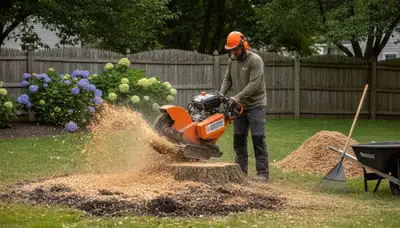
- Stump grinding after tree removal on residential lots: Reliable stump removal removes tripping hazards and frees up usable yard space throughout Colchester.
- Shrub line maintenance along property borders: Regular shrub trimming and shrub removal keep overgrown hedges from crowding driveways, walkways, and neighboring lots.
- Tree health monitoring on established hardwoods: Scheduled maintenance visits can spot early signs of pests, fungus, or structural decline before the issue spreads.
- Root zone care and soil management near foundations: Maintenance work helps manage surface root conflicts with walkways and foundations on older Colchester properties with large trees.
Regular maintenance supports tree health through every season and lowers the chance of emergency problems during Vermont’s unpredictable weather. Nearby residents can also find similar care through tree trimming professionals in Fairfax, VT.
Emergency Tree Removal Services in Colchester, VT
- Storm-fallen tree clearance from driveways and structures: Emergency crews remove trees and large limbs that have landed on homes, vehicles, or access routes after severe weather.
- Hazard tree removal near power lines: Quick action on trees leaning toward utility lines helps reduce outage risk and limits damage to nearby properties.
- Hanging limb extraction after ice storms: Removing partially detached limbs suspended in the canopy helps eliminate unpredictable fall hazards after winter ice events.
- Root failure and uprooted tree removal: Crews handle uprooted trees in saturated soil, a situation common on lower-lying lakefront and river-adjacent properties.
- Emergency access clearing for blocked roads and driveways: Fast removal of storm debris restores safe entry and exit for Colchester households.
Emergency response teams focus first on the most immediate hazards, then coordinate follow-up work to fully restore access and protect the property.
What Colchester Homeowners Say About Tree Trimming Services
See why property owners in Colchester turn to Chop Chop Tree to find trusted local tree trimming professionals.